
Services
Garment care, matched to the garment
Six services covering everything from a weekday shirt to an embroidered saree. Each one exists because a particular kind of fabric needs a particular kind of treatment.
Six services
From a weekday shirt to a wedding saree
Sorted, never bundled
By colour, fabric and soil level
Published rates
Priced per piece, up front
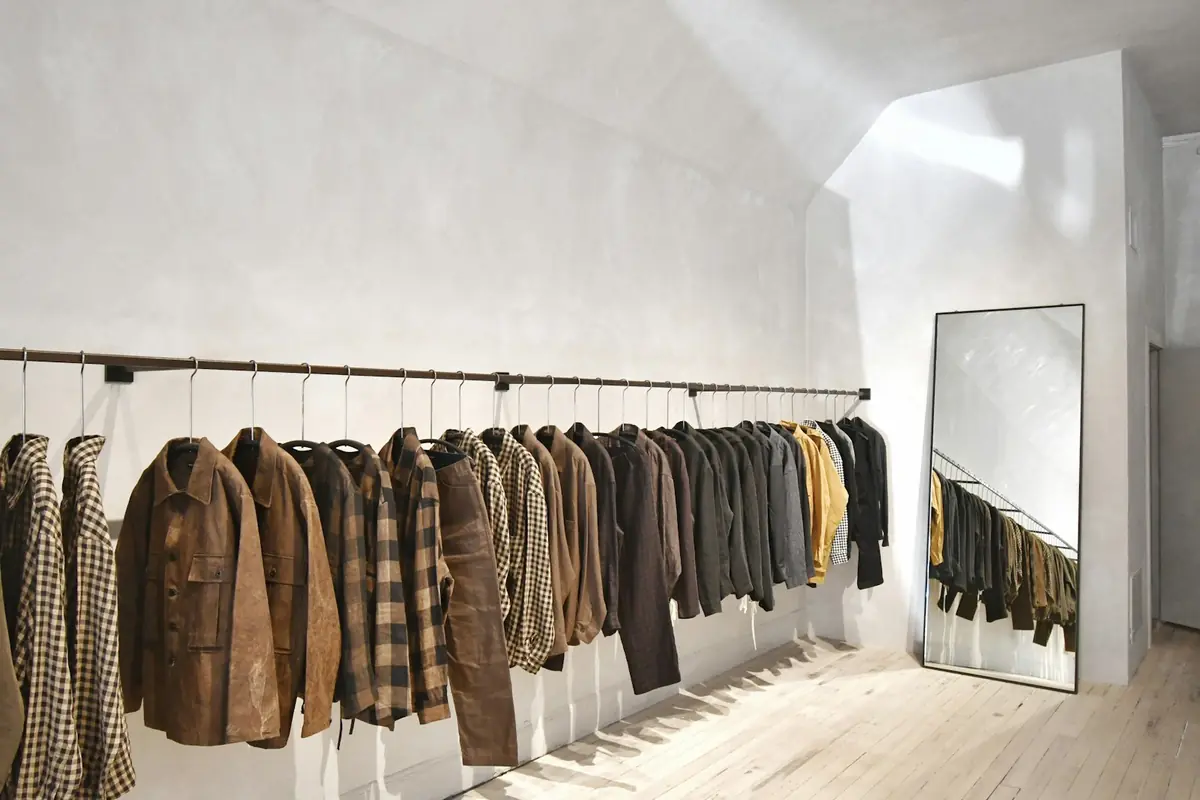 Every garment assessed before it is treated.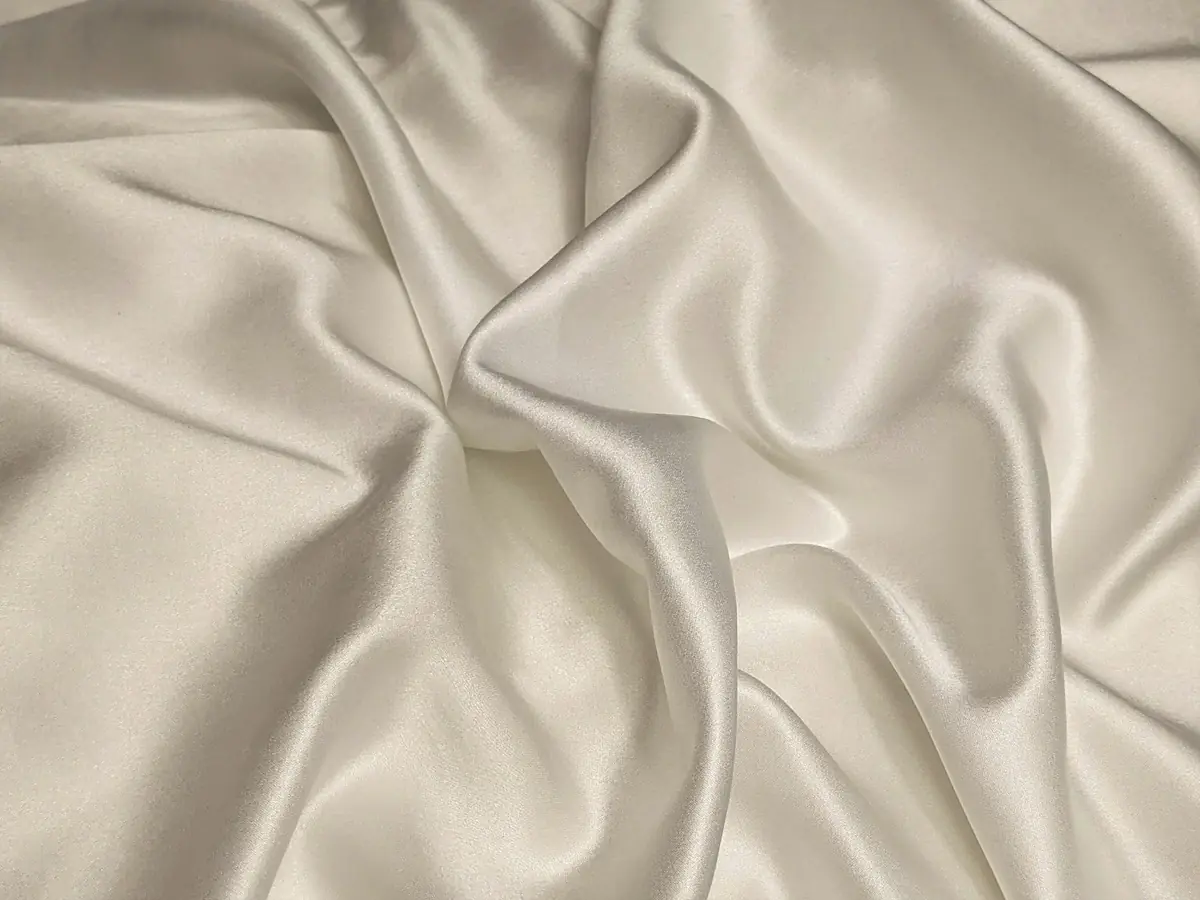
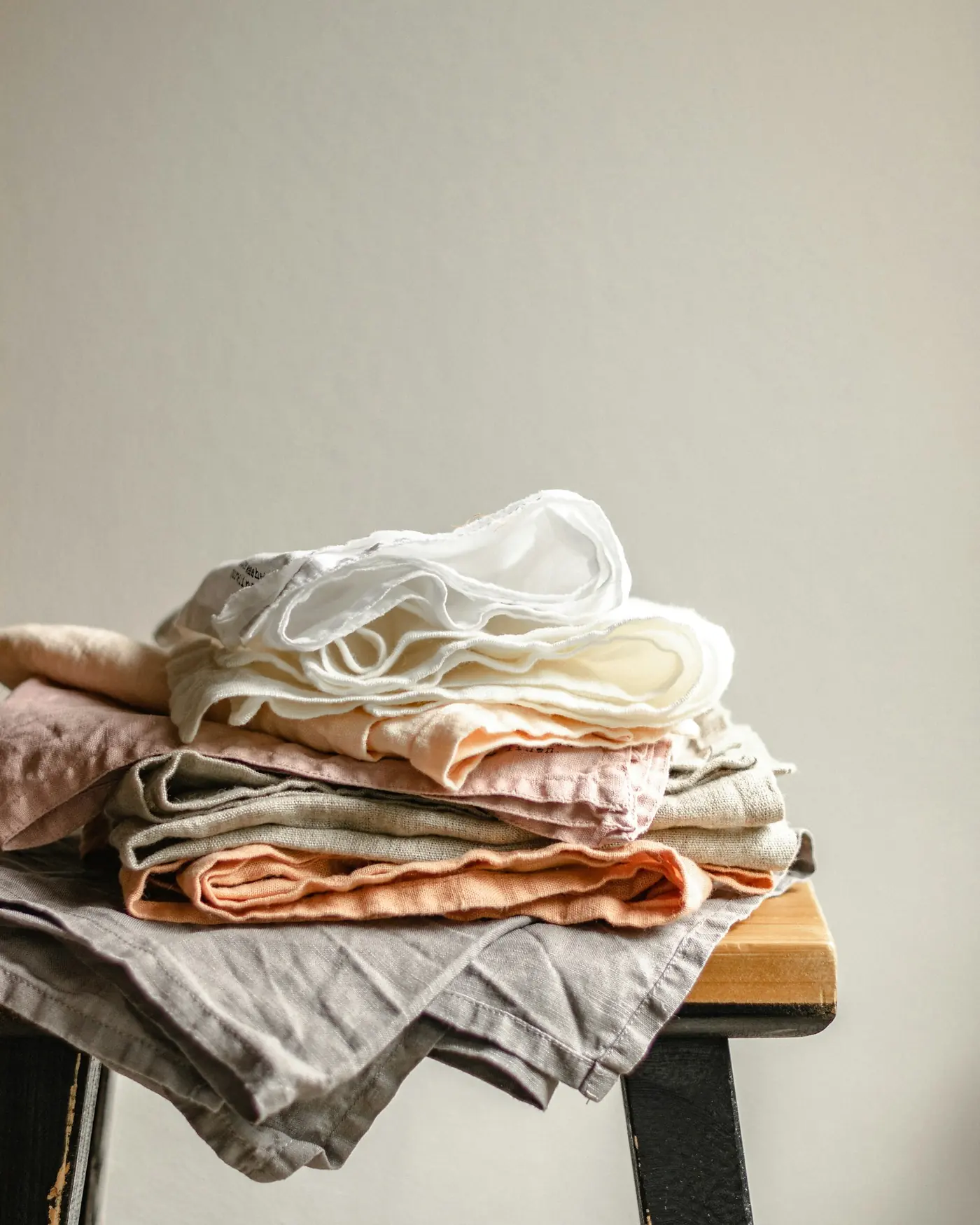
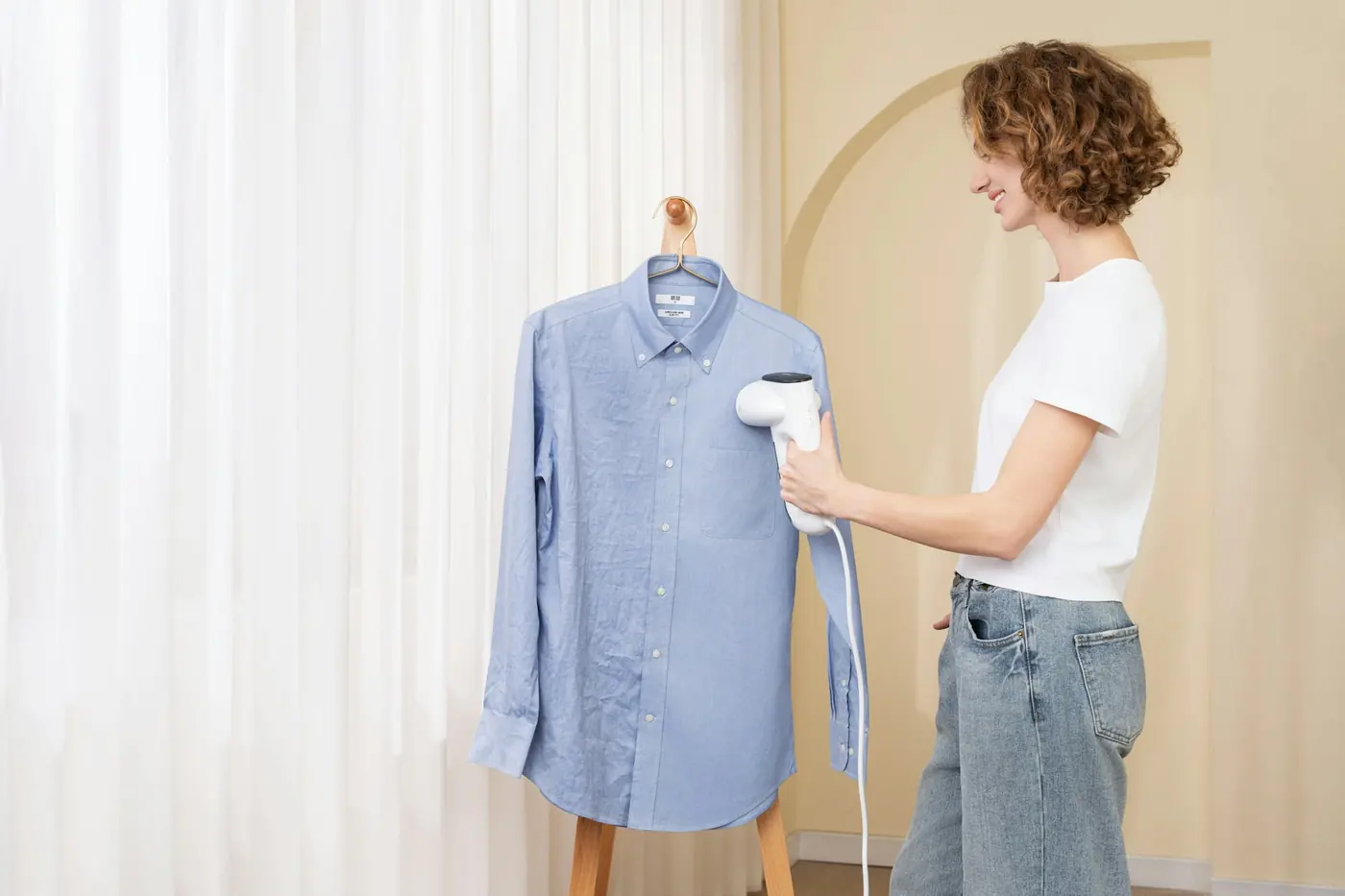
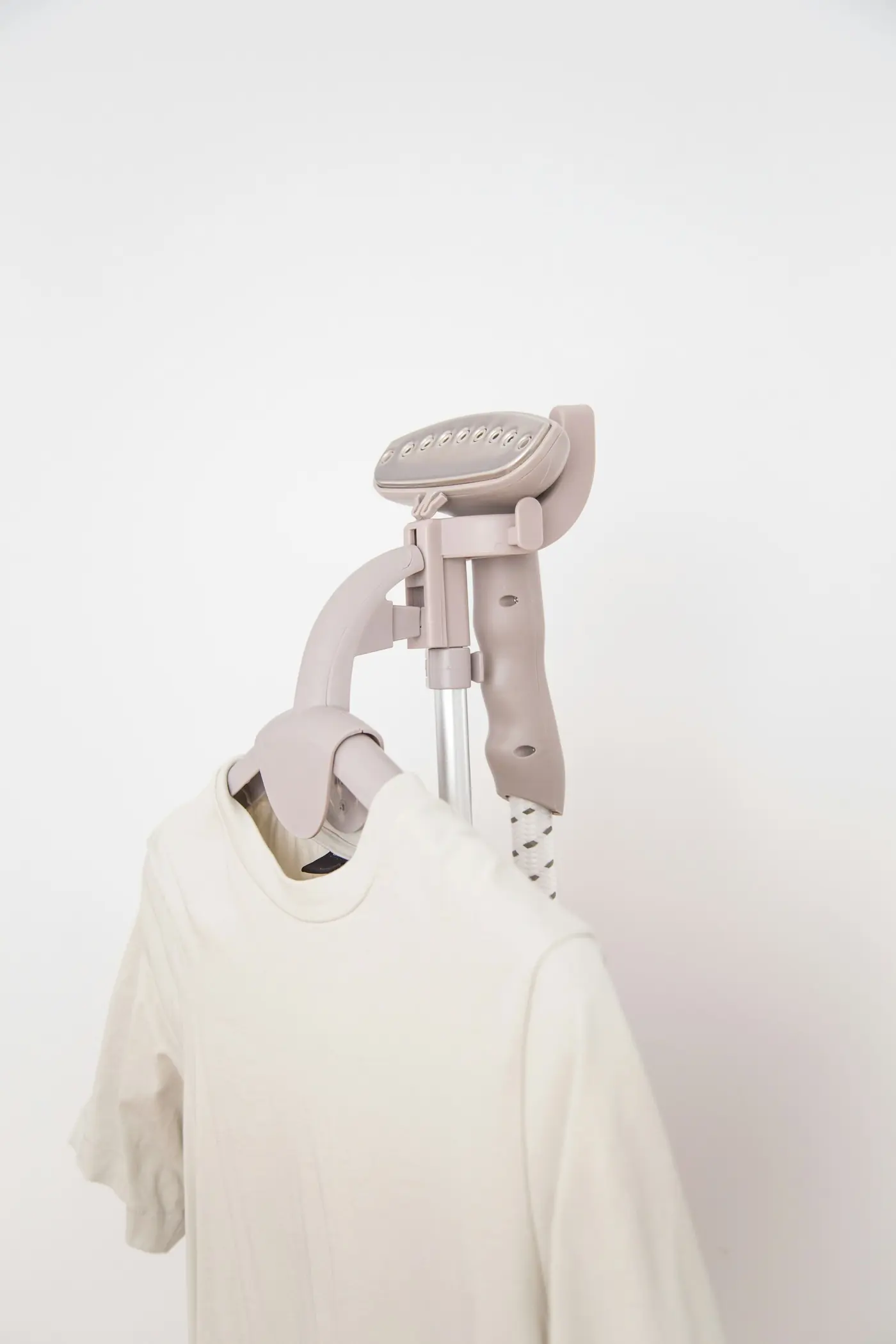
Not sure which service a garment needs? Tell us what it is and we will assess it before any treatment begins.
Six services, because six kinds of cloth need six kinds of handling
Fabric by fabric
Different cloth, different treatment
Most garment damage happens because everything went through one process. These are the six families that come across the counter, what makes each one difficult, and how it is handled.
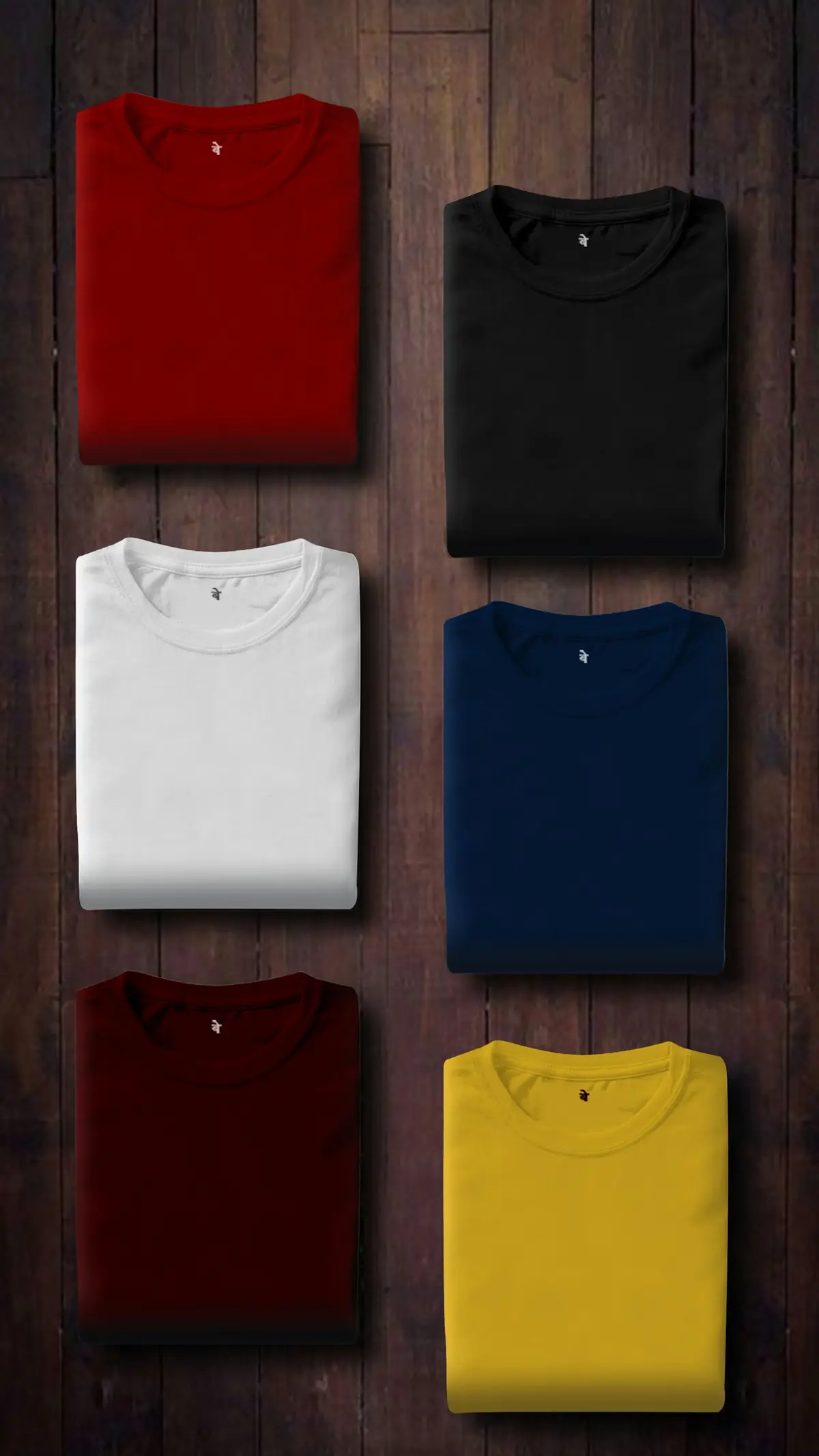
Cotton and everyday wear
The difficulty
Colour bleeds, collars and cuffs hold soil, and a hot wash shrinks the fit.
How it is handled
Sorted by colour and soil level, washed at a temperature the fabric can take, with collars and cuffs treated before the cycle rather than after.
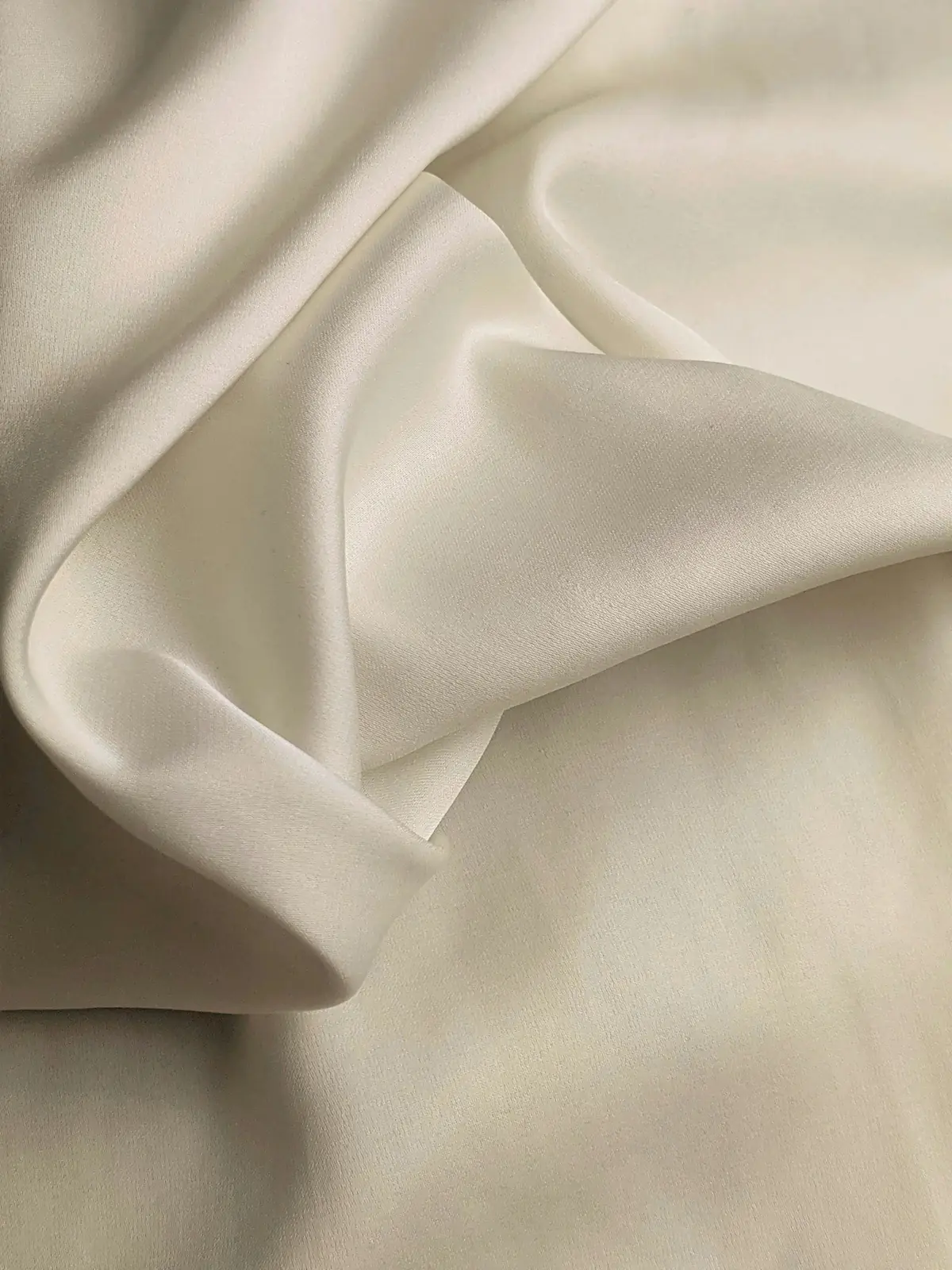
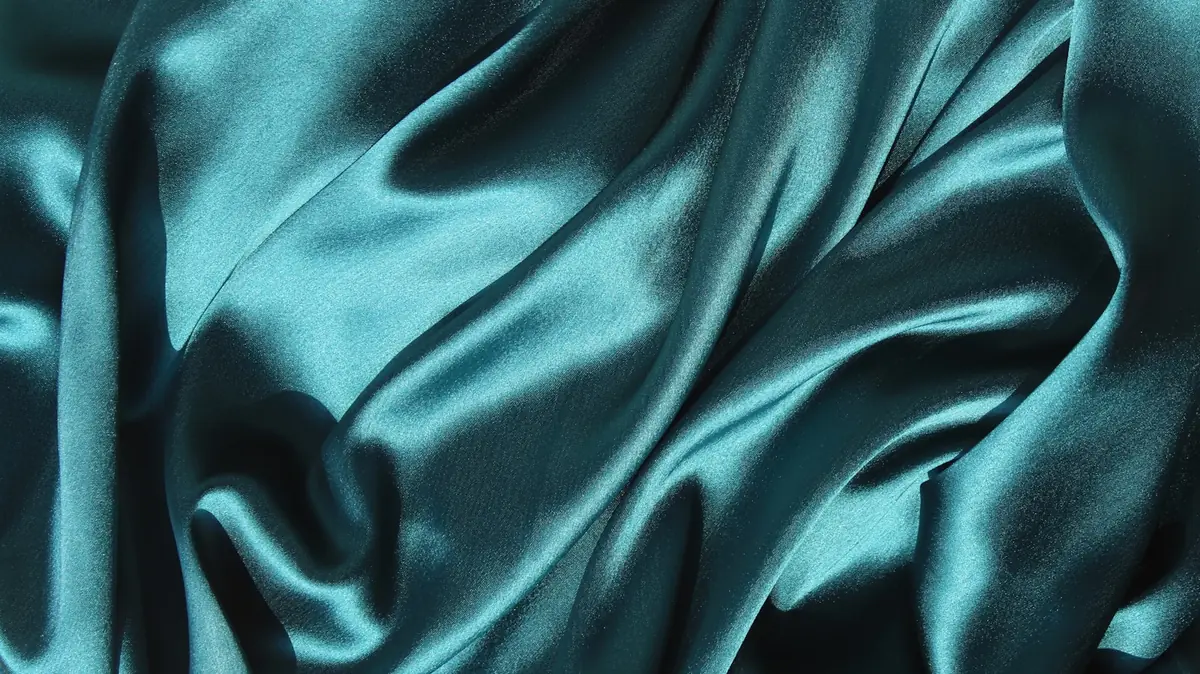
Silk and fine weaves
The difficulty
Water marks, loses lustre with agitation, and dyes move easily.
How it is handled
Dry cleaned rather than washed, tested on an unseen edge first, and pressed at a low heat with a cloth between the iron and the fabric.
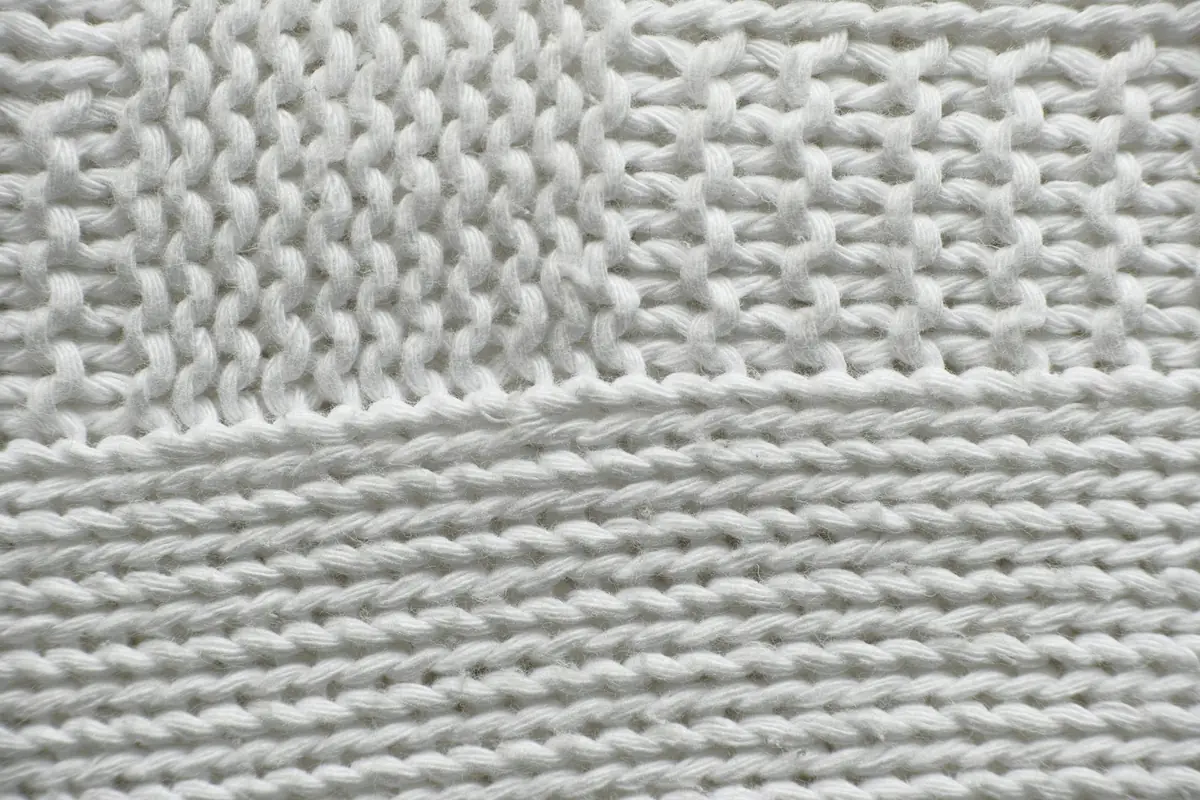
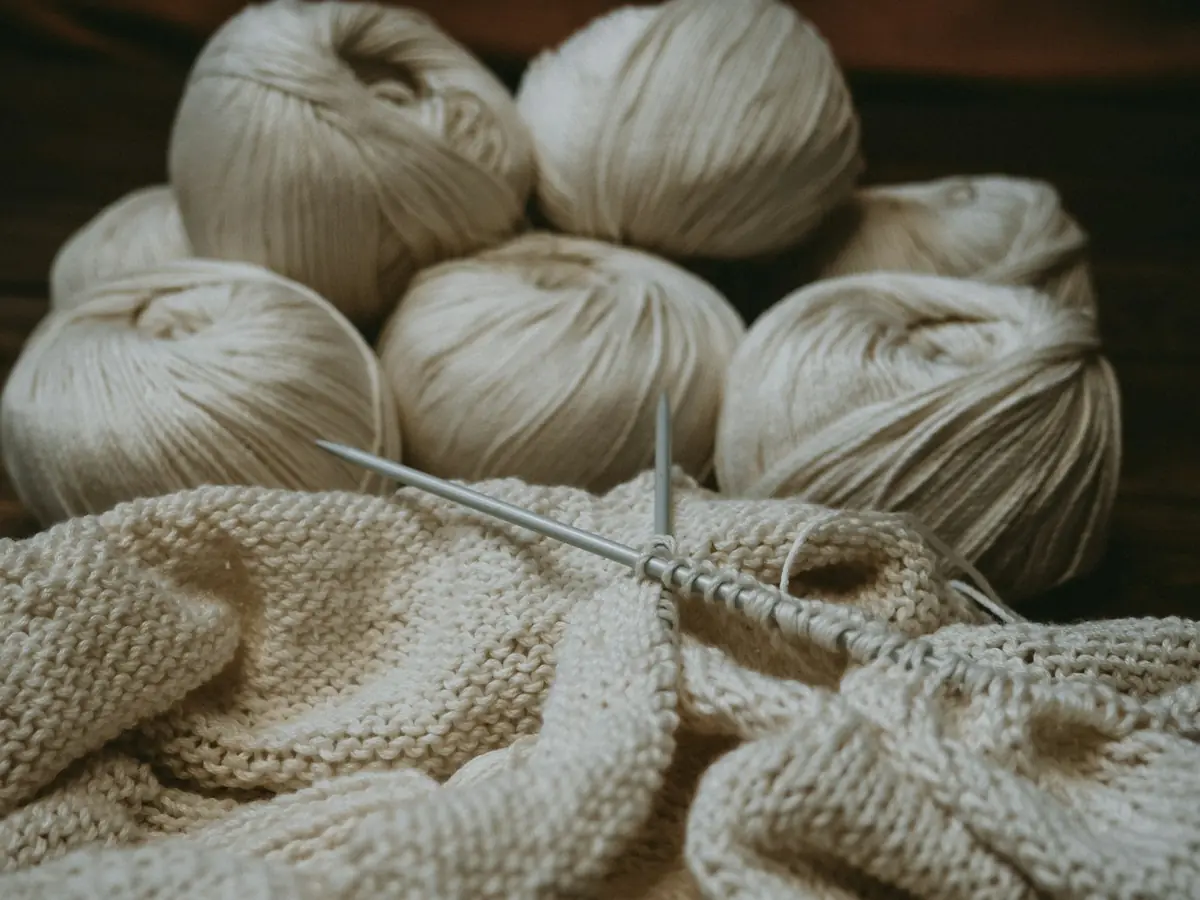
Wool and knitwear
The difficulty
Felts and shrinks with heat and movement, and stretches out of shape when hung wet.
How it is handled
Minimal agitation, no tumble heat, dried flat to its own shape, and steamed rather than pressed flat so the pile stays open.
Occasion and embellished wear
The difficulty
Zari, sequins, beadwork and glued trims all react differently to solvent and heat.
How it is handled
Assessed piece by piece, embellishment protected before treatment, and handled individually rather than batched with anything else.
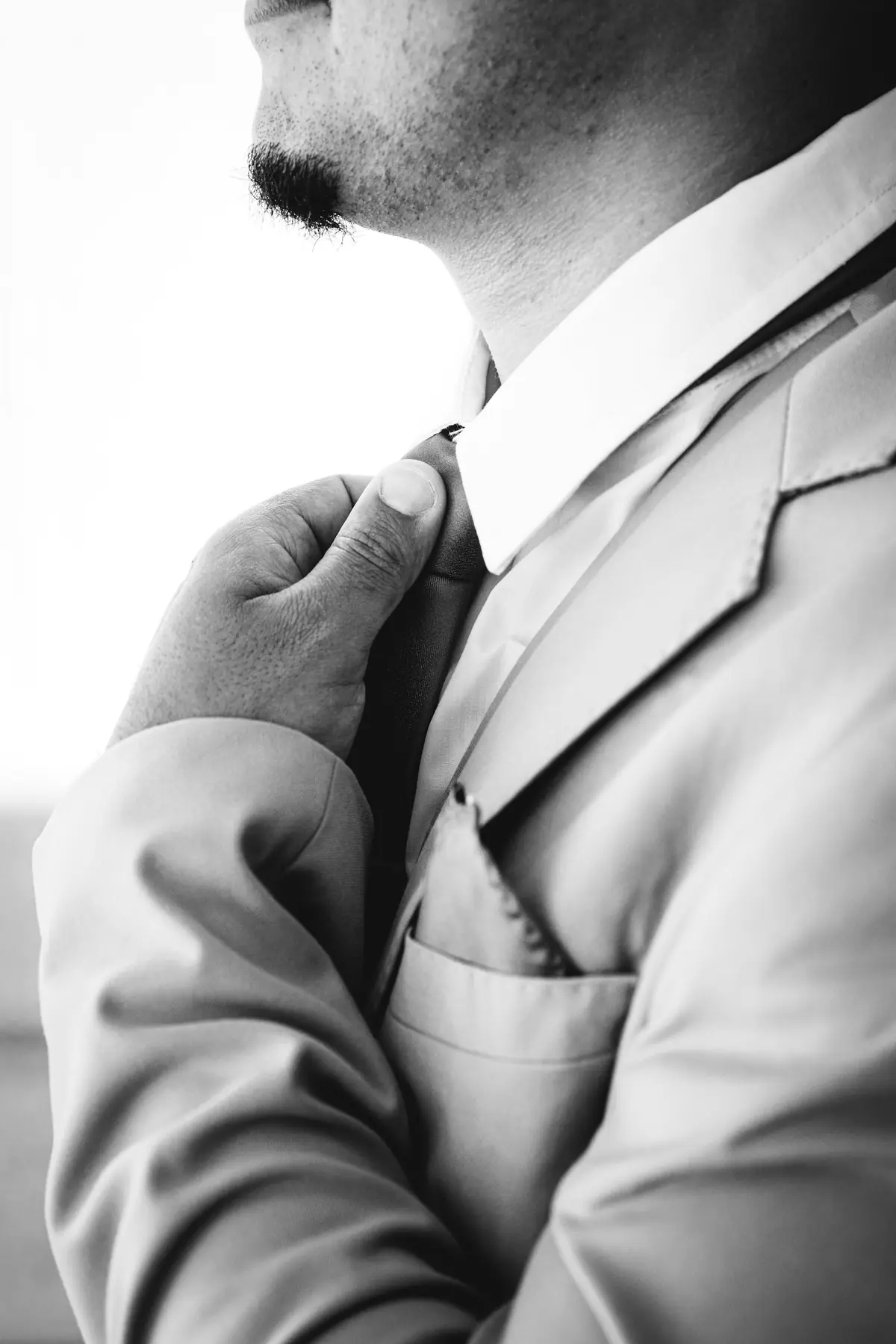
Suits and tailoring
The difficulty
Built around canvas and padding that lose their shape if pressed flat.
How it is handled
Cleaned in solvent, then shaped over a form — shoulders, lapel roll and sleeve head restored rather than flattened.
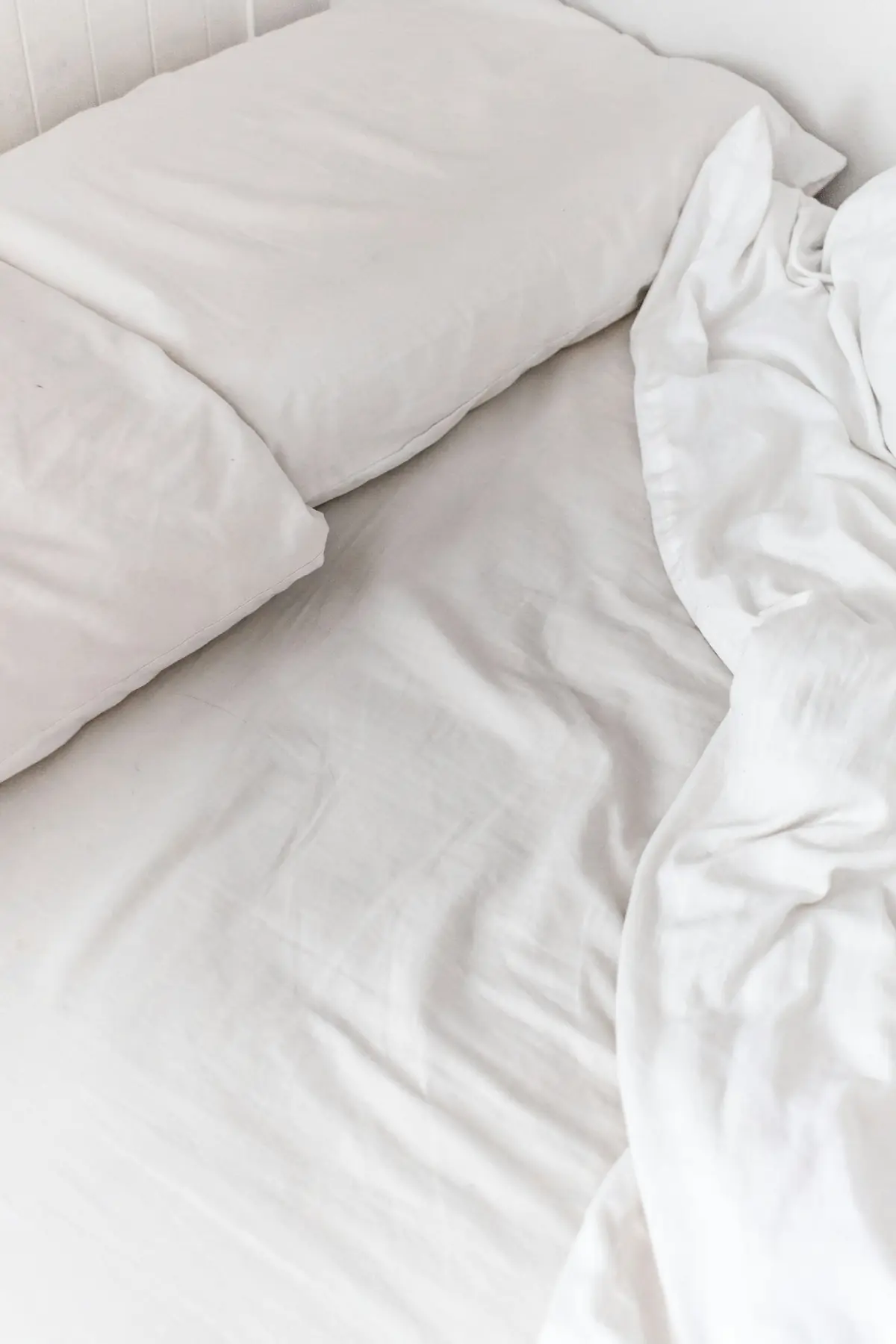
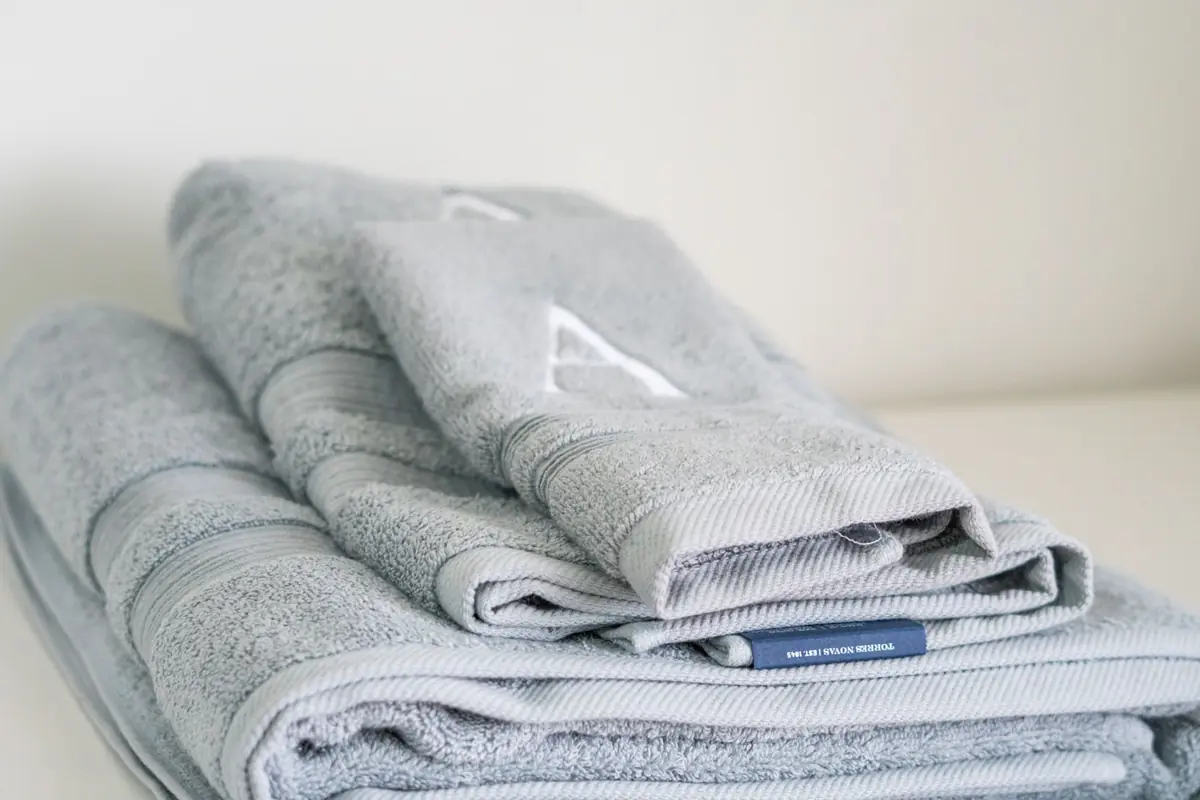
Household fabrics
The difficulty
Too bulky to move properly in a domestic drum, and slow to dry all the way through.
How it is handled
Cleaned at a capacity that lets the fabric move, dried through to the core, and folded rather than returned damp.
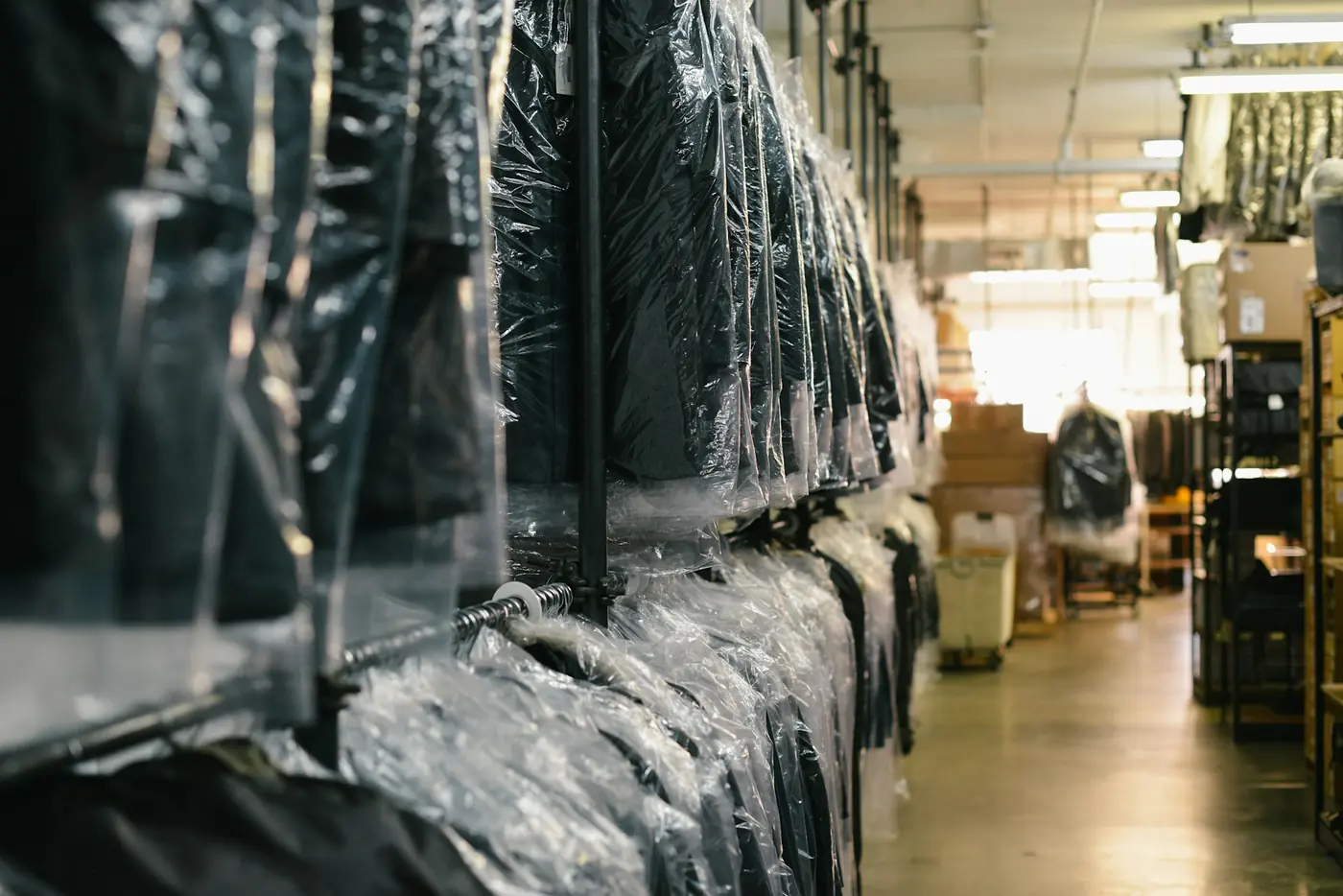
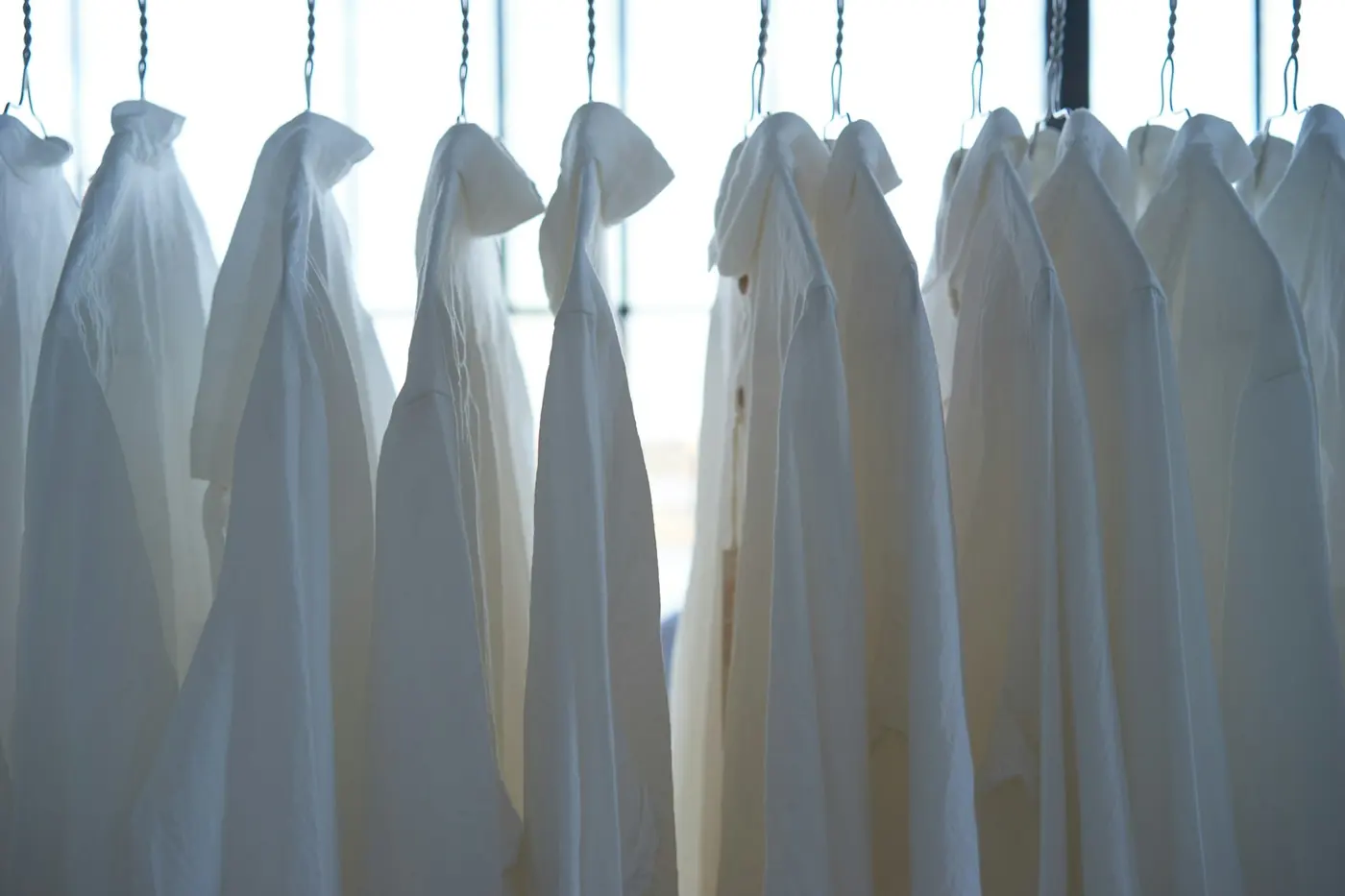 Finished, not just cleanedEvery garment is pressed and shaped before it goes back on the hanger.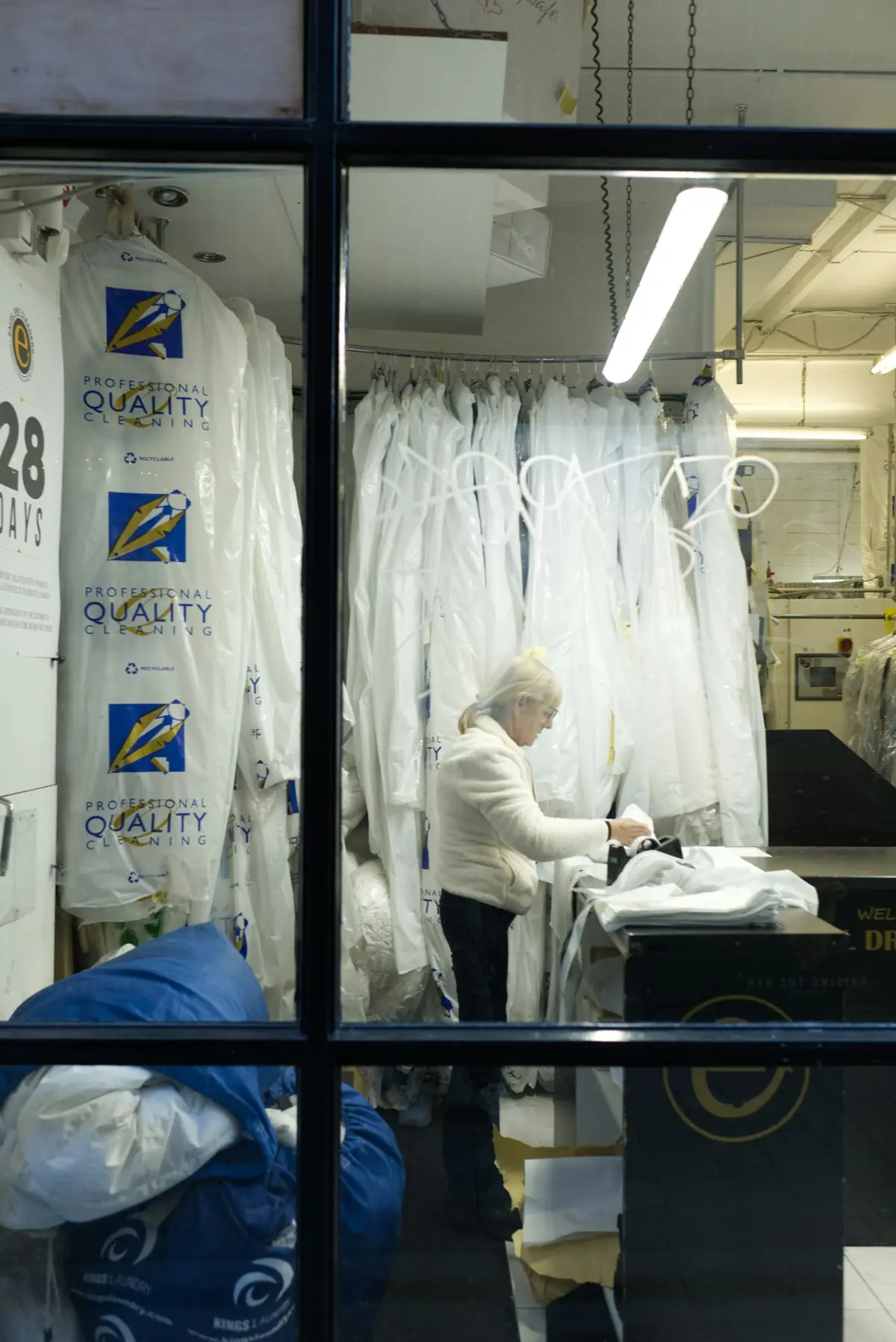
The most expensive mistake in this trade is putting a garment into the wrong process.
Read the label
Care instructions are followed wherever the garment carries them.
Then check by hand
Where a label is missing or wrong, the fabric is assessed directly.
Then choose
Water or solvent, temperature and agitation set per item, not per load.
How it works
Four steps, and it's off your list
No queues, no counter, no guesswork about what happens to your clothes.
- 01
Book a pickup
Tell us what needs cleaning and when it suits you. Takes about a minute.
- 02
We collect
Your garments are collected, counted and logged against your booking.
- 03
Professional care
Each item is sorted and treated according to its fabric and finish.
- 04
Back to you, ready to wear
Clean, finished garments returned properly packed — nothing left to do.
Ready to get your laundry off your list?
Book a pickup in about a minute. We will confirm the details with you before we collect anything.